
-
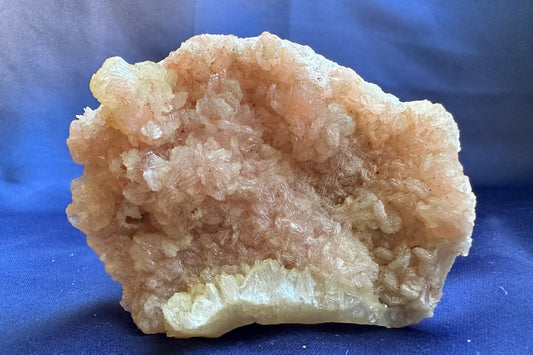
ES-ZM10122 - Heulandite with Stilbite
Regular price $50.00 USDRegular priceUnit price per -
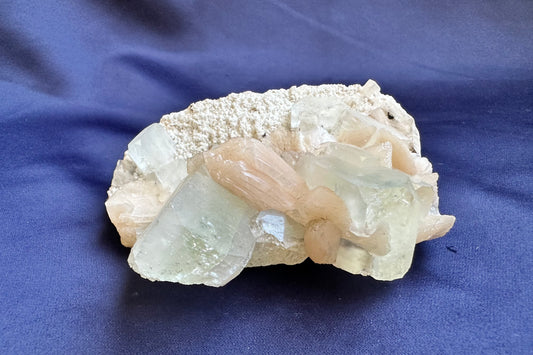
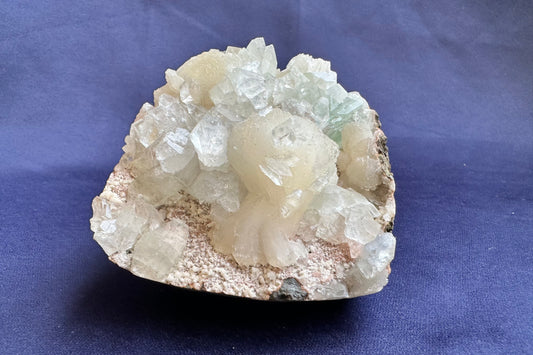
ES-ZM10121- Big Stilbite with Green Apophyllite
Regular price $50.00 USDRegular priceUnit price per -
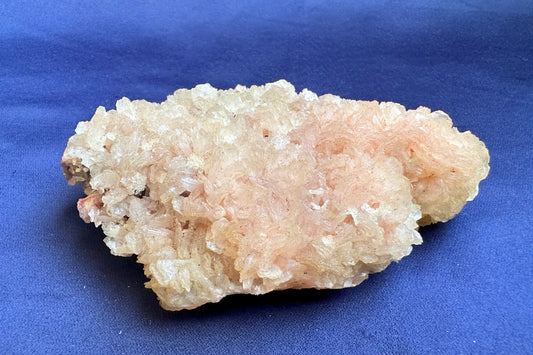
ES-ZM10120 - Green Apophyllite with Stilbite
Regular price $50.00 USDRegular priceUnit price per -
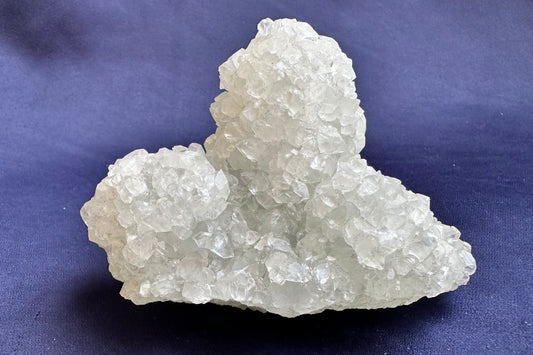
ES-ZM10119 - Clear Apophyllite with Peach Stilbite on Chalcedony
Regular price $50.00 USDRegular priceUnit price per -
ES-ZM10118 - Green Apophyllite with Druzy Stilbite
Regular price $100.00 USDRegular priceUnit price per -
ES-ZM10117 - Clear Apophyllite crystals with Red Matrix
Regular price $150.00 USDRegular priceUnit price per -
ES-ZM10116 - Shiny Green Apophyllite with tiny Stilbite
Regular price $100.00 USDRegular priceUnit price per -
ES-ZM10115 - Druzy Green Apophyllite with Stilbite base
Regular price $150.00 USDRegular priceUnit price per -
ES-ZM10114 - Peach Heulandite
Regular price $90.00 USDRegular priceUnit price per -
ES-ZM10113 - Shiny Peach Stilbite plate
Regular price $50.00 USDRegular priceUnit price per -
ES-ZM10112 - Shiny Green Apophyllites
Regular price $100.00 USDRegular priceUnit price per -
ES-ZM10111 - Green Apophyllite with white shiny Stilbite
Regular price $80.00 USDRegular priceUnit price per -
ES-ZM10110 - Green Apophyllite
Regular price $80.00 USDRegular priceUnit price per -
ES-ZM10109 - Quartz
Regular price $50.00 USDRegular priceUnit price per -
ES-ZM10108 - Light Green Apophyllite with white shiny Stilbite on Chalcedony
Regular price $100.00 USDRegular priceUnit price per -
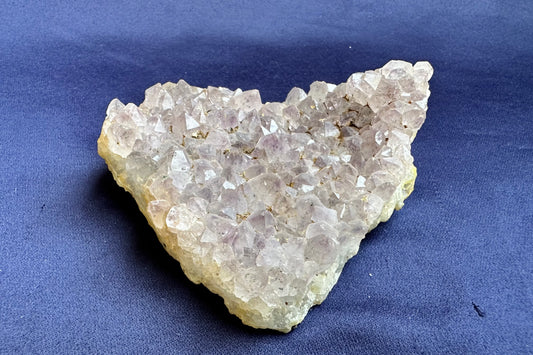
ES-ZM10107 - Little Purple Amethyst
Regular price $50.00 USDRegular priceUnit price per






Let customers speak for us
Can never be sure now days if things are legitimate or not but I’m getting good vibes from it.

Great customer service - fast to respond, made sure I received just the one I wanted + fast shipping - arrived early! Powerful, BEAUTIFUL stone. Thank you for your quality and care, EnchantedStars!

they are beautiful, well worth the price, shipping was quick too. love em

Stunning, divine, blissful Black Bana lingam. Size, shape and quality are impeccable. Blessed to have this. Highly recommend this seller!

Alles was super goed . Snel Verzonden . Ik ben super blij 😇.Speciaal dank aan verkoper voor een klein extra cadeau 💝. It means a lot🙏🏻
Very nice Shiva Lingham! It is solid and the natural design was chosen by me from the seller. Thank you!


This lingam is large and in charge thick and girthy in all the right ways... And has some length on it as well.. I was a little disappointed with the shipping as they shipped it in a flat rate priority box with very little padding... It got a little scuffed but nothing too bad... Also the company says they are out of California and the item ship from New Jersey... So that wasn't great... All in all, it's a beautiful lingam just what you want and it makes her very happy 🙂
Amazing big 6 in Shiva Bana Lingam! Stunning, divine, blissful multi-colored patterned lingam. Size, shape and quality are impeccable and is heavy/big. Blessed to have this. Highly recommend this seller! Om Namah Shivaya.