
-
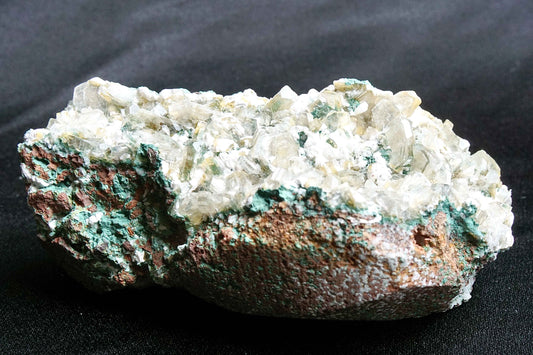
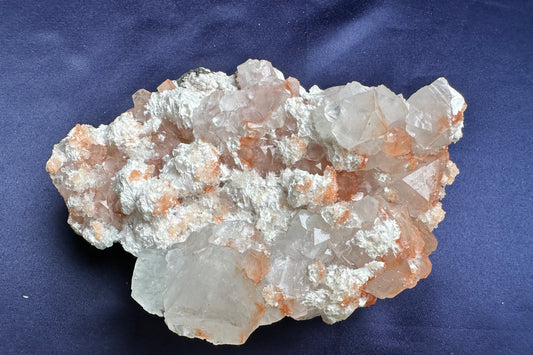
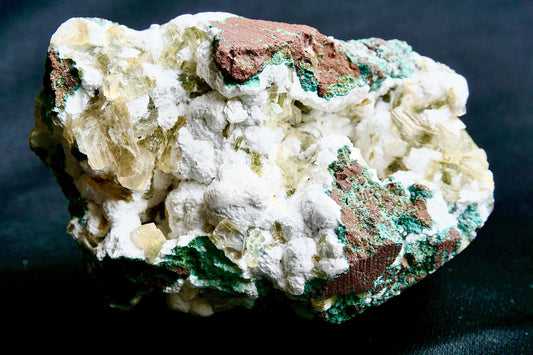
ES-ZM10085 - Mordenite with Heulandite
Regular price $50.00 USDRegular priceUnit price per -
ES-ZM10073 - Mordenite with Heulandite
Regular price $50.00 USDRegular priceUnit price per -
ES-ZM10067 - Mordenite with Heulandite
Regular price $50.00 USDRegular priceUnit price per -
ES-ZM10044 - Mordenite with Heulandite
Regular price $50.00 USDRegular priceUnit price per -
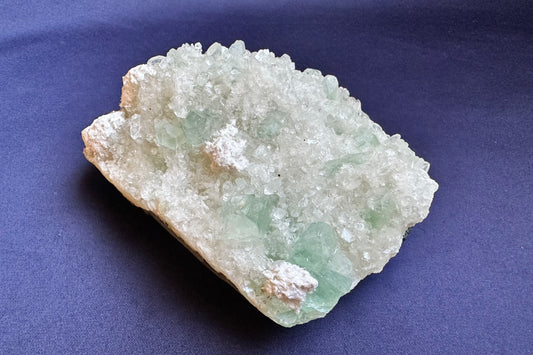
ES-ZM10170 - Apophyllite with Mordenite
Regular price $100.00 USDRegular priceUnit price per -
ES-ZM10129 - Green Apophyllite with Mordenite
Regular price $50.00 USDRegular priceUnit price per -
ES-ZM10029 - Mordenite with Heulandite
Regular price $100.00 USDRegular priceUnit price per


Let customers speak for us

The most sacred color of the Shiva Lingams. Great piece and perfect to hold while manifesting.

Can never be sure now days if things are legitimate or not but I’m getting good vibes from it.

Great customer service - fast to respond, made sure I received just the one I wanted + fast shipping - arrived early! Powerful, BEAUTIFUL stone. Thank you for your quality and care, EnchantedStars!

they are beautiful, well worth the price, shipping was quick too. love em
Divine, beautiful, amazing Bana Lingam stone. Highly recommend them. Om Namah Shivaya.

Stunning, divine, blissful Black Bana lingam. Size, shape and quality are impeccable. Blessed to have this. Highly recommend this seller!
Stunning, divine, blissful Black Bana lingam. Size, shape and quality are impeccable. Blessed to have this. Highly recommend this seller!

Alles was super goed . Snel Verzonden . Ik ben super blij 😇.Speciaal dank aan verkoper voor een klein extra cadeau 💝. It means a lot🙏🏻
Alles was super goed . Snel Verzonden . Ik ben super blij 😇.Speciaal dank aan verkoper voor een klein extra cadeau 💝. It means a lot🙏🏻